Is Your Blown-In Insulation Still Doing Its Job?
So, you had blown-in insulation put in, probably years ago, and you've been enjoying those lower energy bills and steady comfort ever since. That's fantastic! But just because it's tucked away in the attic, out of sight, doesn't mean it's going to last forever without a little attention. Here in Gilbert, with our brutal summers and even those occasional chilly winters, your insulation really works hard. Let's chat about how to make sure it keeps earning its keep.
Extending the Life of Your Blown-In Insulation
The good news is, blown-in insulation — whether it's cellulose or fiberglass — is pretty tough stuff. But its effectiveness can definitely drop over time because of a few things. The biggest culprit? Moisture. We don't get a ton of rain here, but when it does hit, or if you've got a leaky roof or a dripping AC condensation line, that water can compact cellulose or mat down fiberglass. Once it's wet and squished, its R-value plummets. So, the first step to making it last longer is simply keeping your attic dry. Check your roof for missing shingles or flashing problems, especially after a monsoon. And make sure your AC condensate line drains properly, not into the attic space, okay?
Another big one is good ventilation. Your attic needs to breathe, even with insulation up there. Proper soffit and ridge vents help push hot, humid air out of the attic. This keeps the insulation drier and stops heat from building up and radiating right into your living areas. If you're still rocking those old-school gable vents and no soffit vents, you might not be getting the airflow you need.
Regular Maintenance: What You Can Do
You don't need to be climbing into your attic every single month, but a yearly check-up, maybe in the cooler months like October or November, is a smart move. Here's what I'd be looking for:
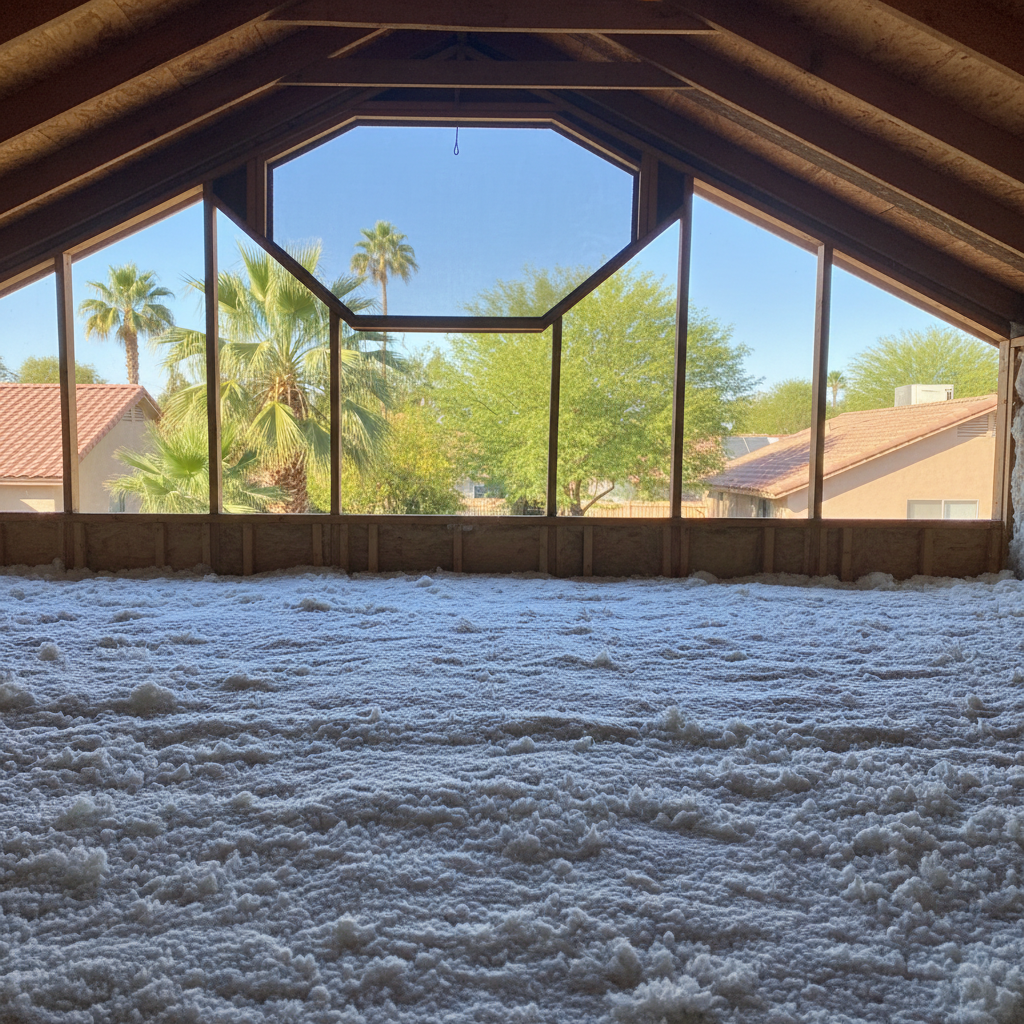
- Check for Leveling: Is the insulation still spread out evenly? Sometimes, especially in older homes or if someone's been working up there, it can shift or settle. You want a consistent depth across the whole attic floor.
- Look for Compaction: Are there spots where it looks flattened or matted down? This often signals moisture or maybe someone's been walking around up there.
- Pest Patrol: Rodents, birds, and even insects can make nests in insulation, creating tunnels and compressing it. Keep an eye out for droppings, nests, or disturbed areas. This is a pretty common issue in older Gilbert neighborhoods with mature trees, where critters can easily get into attics.
- Seal Air Leaks: This isn't strictly insulation maintenance, but sealing air leaks from your living space into the attic is super important. Look for gaps around light fixtures, plumbing stacks, and electrical boxes. These leaks pull conditioned air into the attic, which is a total waste of energy and can bring in moisture. You can use caulk or expanding foam for these smaller gaps.
Warning Signs of a Problem
Your house will definitely tell you if your insulation isn't doing its job. Watch out for these:
- Spiking Energy Bills: If your AC is running non-stop and your bills are through the roof — even more than usual for a Gilbert summer — your insulation might be failing.
- Inconsistent Room Temperatures: Are some rooms noticeably hotter or colder than others, even with the AC blasting? This could point to uneven insulation coverage or compromised areas.
- Drafts: Feeling drafts even when your windows are closed can mean air is leaking into the attic, which means your insulation isn't creating a good thermal barrier.
- Pest Activity: If you start hearing scurrying in the attic, or find droppings, that's a clear sign your insulation might be compromised and needs attention.
- Visible Water Stains: Any water stains on your ceiling below the attic are an immediate red flag. That water is probably soaking your insulation.
When to Call a Professional
While you can certainly do a basic visual check yourself, there are times when you really need to bring in the pros. If you see significant compaction, widespread pest damage, or any signs of mold or mildew, please don't try to tackle it yourself. Mold can be a serious health hazard, and properly removing pest infestations requires specific knowledge.
If you're just not sure about the depth or type of insulation you have, or if you suspect major air leaks, a professional can perform an energy audit. We can use thermal imaging to pinpoint exactly where heat is escaping or entering your home. We can also safely add more blown-in insulation to bring your R-value up to current standards, or remove contaminated insulation and replace it entirely.
Here at Gilbert Spray Foam Insulation, we've seen it all. From sun-baked attics to insulation that's definitely seen better days, we know what it takes to keep your home comfortable and efficient. Don't wait until your AC is working overtime just to keep up with the heat. A little proactive maintenance and knowing when to call for help can save you a lot of headaches — and money — in the long run.