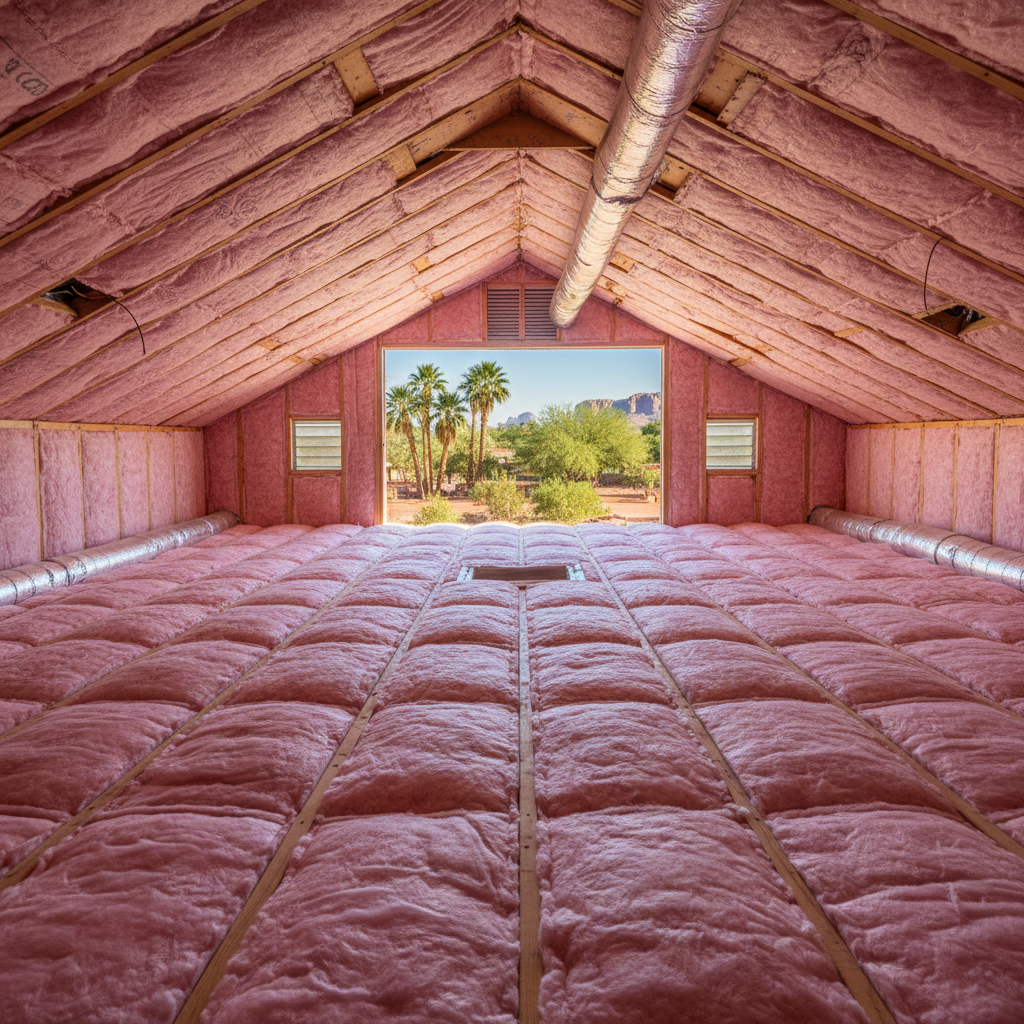
Planning Your Batt Insulation Project: What to Expect
Alright, so you're thinking about upgrading or installing batt insulation in your Gilbert home? That's a smart move, especially with our summers. But before you dive in, you'll want a clear picture of what's involved. I've seen a lot of projects over the years, and honestly, a little planning goes a long way. It helps make sure things run smoothly and, more importantly, that you're happy with the result.
The Timeline: How Long Will This Take?
Let's talk timeline. This isn't usually a week-long ordeal. For most residential batt insulation jobs — whether it's for the attic, walls, or even floor joists — you're probably looking at a day or two. Maybe three for a really big house, or if it's a complex re-insulation project. A lot depends on the size of the area, how accessible it is, and if there's old insulation that needs removing first. If we're just adding new batts to an empty attic, that's quicker, right? Much faster than tearing out old, rodent-infested stuff and then putting new batts in. When you get an estimate, make sure to ask about the expected duration. A good contractor should be able to give you a pretty accurate window.
What Happens During the Installation?
So, what's the actual process like? First off, the crew will show up, usually with a truck full of insulation batts, tools, and safety gear. They'll protect your home, laying down drop cloths if they're tracking through living spaces to get to an attic access. If it's an attic job, they'll often start by assessing the existing situation. This means checking for air leaks, proper ventilation, and any issues that need addressing before the batts go in. Sometimes, we'll need to seal up gaps around vents, pipes, or electrical wires first. This is crucial for batt insulation to perform its best; you don't want air bypassing it, after all.
Then comes the actual installation. Workers cut batts to fit snugly between joists or studs. They're friction-fit, meaning they stay in place without needing fasteners, but they need careful installation to avoid gaps or compression. Compression reduces their effectiveness, so you don't want them crammed into spaces that are too small. They'll work systematically across the area, making sure everything is covered evenly. For wall cavities, they might need to remove sections of drywall, install the batts, and then replace the drywall — that's a bigger job, obviously. Most of the time, we're talking attics or accessible floor spaces. Once they're done, they'll clean up all their materials and leave the site tidy. You shouldn't have to do any heavy lifting or major cleaning after they leave, which is nice.
How to Prepare Your Home for the Crew
Preparing your home isn't rocket science, but it definitely helps the job go smoother and quicker. Here's what I usually tell homeowners:
- Clear the path: Make sure the access points to the attic or crawl space are clear. Move any furniture, boxes, or anything else that might be in the way.
- Protect valuables: If there's anything fragile or precious near the work area, move it. While we're careful, accidents can happen.
- Pets and kids: Keep pets secured and kids away from the work area. It can be dusty, noisy, and there will be tools around. It's just safer for everyone.
- HVAC access: If your HVAC unit or ductwork is in the attic, make sure it's easily accessible if it needs to be worked around.
- Communicate: If you have any specific concerns or areas you want extra attention paid to, let the crew chief know when they arrive.
That's about it. We'll handle the rest.
Crucial Questions to Ask Before Signing a Contract
Before you sign on the dotted line, you need to be asking the right questions. Don't be shy; this is your home and your money. Here are some I'd recommend:
- What R-value are you installing, and is that appropriate for Gilbert? You want to make sure the R-value meets or exceeds local building codes and is suitable for our intense summer heat. For attics, we're often looking at R-38 or higher here.
- Do you include air sealing as part of the process? Batts are great, but they don't stop air movement. Sealing up gaps and cracks before installing batts is critical for energy efficiency. If they don't include it, ask why not, or if it's an add-on.
- What's the warranty on the insulation and the labor? You want to know that if something goes wrong, you're covered.
- Are your installers insured and licensed? This is a big one. You don't want uninsured workers on your property. Ask for proof.
- What's the cleanup process like? They should be cleaning up all debris, not leaving it for you.
- Do you offer different types of batt insulation (fiberglass, mineral wool, etc.)? Understanding your options can help you make an informed choice based on your specific needs and budget. For example, mineral wool offers better fire resistance, which might be a concern for some homeowners, especially in older Gilbert homes near the Western Power District.
- Can you provide references? A reputable company like Gilbert Spray Foam Insulation will have no problem giving you names of satisfied customers.
Asking these questions will help ensure you're getting a quality job from a reliable contractor. It's all about making sure you're comfortable and confident in your decision. A little homework now saves a lot of headaches later, believe me.