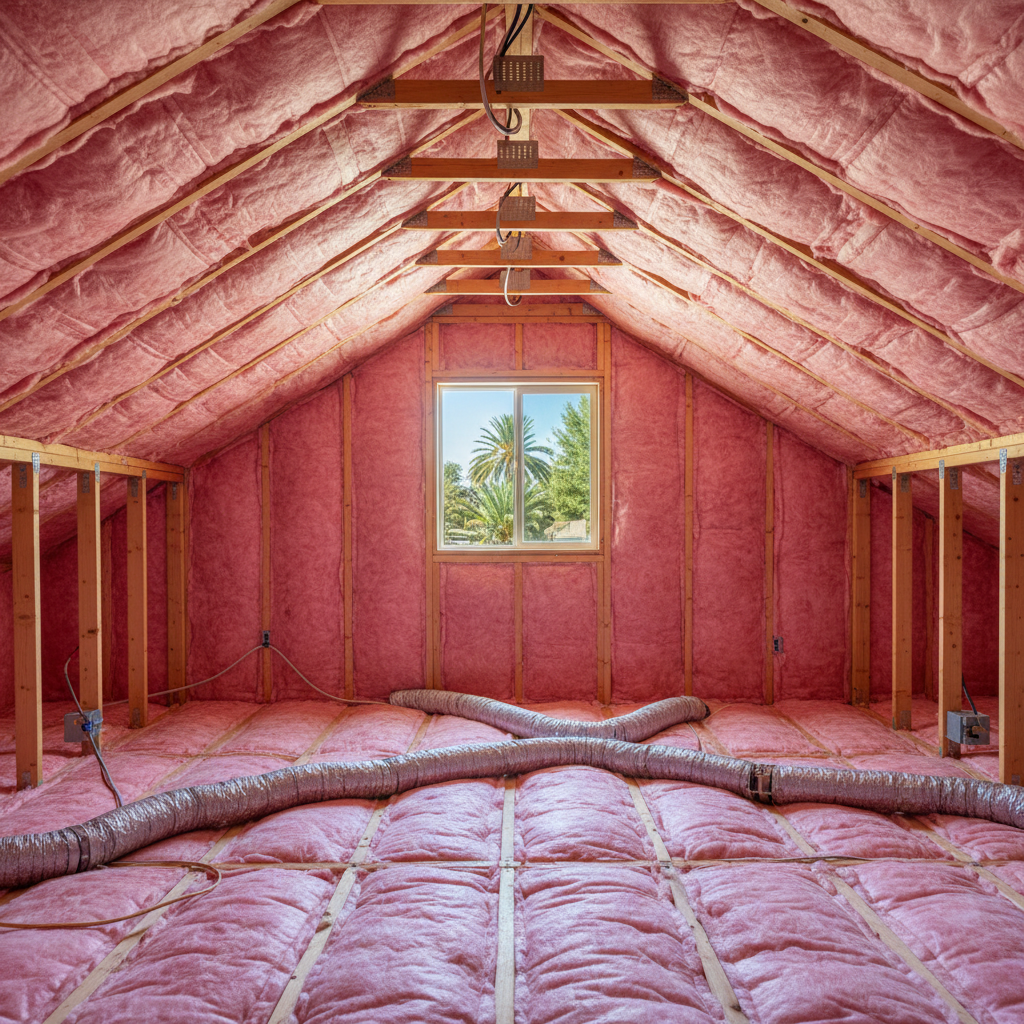
So, you're thinking about putting batt insulation in your home here in Gilbert. Maybe it's a brand new house, an addition you're tacking on, or you just want to upgrade what you've already got. Batt insulation — you know, those big rolls or sheets of fiberglass or mineral wool — is super common. But just because everyone uses it doesn't mean it's always installed correctly. Or that people don't make some pretty basic mistakes when they're planning for it or hiring someone to do the work.
I've seen countless insulation projects over the years, and believe me, there are a few recurring problems with batt insulation that you really, really need to know about. Avoiding these can save you a huge headache, a lot of money, and actually make sure your home stays comfortable during our brutal Arizona summers.
Mistake #1: Not Getting the Right R-Value for Our Climate
This is probably the biggest one out there. You might think, "insulation is insulation, right?" Nope. Not here in Gilbert. Our summers aren't just warm; they're furnace-blast hot. You'll need a much higher R-value than someone living in, say, Seattle. R-value simply measures thermal resistance – it tells you how well the insulation stops heat from moving through it. The bigger the number, the better it insulates.
I've seen homes, especially older ones in neighborhoods like Val Vista Lakes, where the original batt insulation just isn't doing its job anymore. They might have R-19 in the attic when they really need R-38 or even R-49 to stand a chance against a 115-degree day. Don't just go with whatever's cheapest or what some contractor casually suggests. Know the recommended R-values for our climate zone and insist on them. It's an investment that truly pays off, both in lower utility bills and a much more comfortable home.
Mistake #2: DIYing Without Understanding the Details
I totally get it; you want to save a buck. And putting up batt insulation looks pretty straightforward, doesn't it? Cut it, fit it, staple it. How hard could that be? Well, it's actually much harder than it looks to do it right. The biggest problem I see with DIY batt installs is improper fitting. Batts need to completely fill the space they're in – no gaps, no squishing, no air pockets.
When you compress batt insulation, you actually reduce its R-value. And if you leave gaps around electrical boxes, plumbing, or framing, you create thermal bridges where heat can just bypass the insulation entirely. It's kind of like wearing a winter coat with a bunch of holes in it. You're still going to be cold. Or in our case, hot. If you're not super careful about cutting and fitting every single piece perfectly, you're honestly better off hiring a pro. A poorly installed batt job is almost as bad as having no insulation at all.
Mistake #3: Ignoring Air Sealing First
Insulation stops heat transfer, but it doesn't stop airflow. This is a really critical difference, and it's where a lot of homeowners miss the boat. You could have the thickest, highest R-value batt insulation in the world, but if your attic, walls, or crawl space aren't properly air sealed, you're still going to lose a ton of energy. Hot air from your attic will leak down into your living space, or cool air will just escape.
Before any batt insulation goes in, you need to seal up all those little cracks, gaps, and penetrations. Think around light fixtures, plumbing stacks, electrical wires, and where walls meet the ceiling. We use caulk, foam, and weatherstripping for this. It's a foundational step that many people skip or overlook, and it drastically cuts down on how effective your insulation can be. Don't let a contractor just slap up batts without talking about air sealing first. If they don't mention it, that's a big red flag.
Mistake #4: Not Considering Alternatives When Batts Aren't the Best Fit
Batts work great for certain things, like standard wall cavities or between floor joists. But they're not a one-size-fits-all solution. Take an attic with lots of irregular framing, cross-bracing, or a bunch of ducts and pipes, for example. Trying to perfectly cut and fit batts around everything there is an absolute nightmare. You'll end up with tons of gaps and a compromised R-value.
In those kinds of situations, a blown-in insulation like fiberglass or cellulose, or even spray foam, might be a much smarter choice for getting a continuous, gap-free thermal barrier. I've seen homeowners insist on batts because they're familiar, even when the space clearly needs something else. A good contractor, like us at Gilbert Spray Foam Insulation, will check out your specific situation and recommend the best insulation type, not just push whatever's easiest for them to install.
Mistake #5: Hiring on Price Alone
This goes for any home improvement project, but it's especially true for insulation. You'll get quotes that vary wildly. It's tempting to just pick the cheapest one, isn't it? But remember what I said about proper installation? A low bid often means corners are getting cut. Maybe they're using lower R-value material, not air sealing, or just rushing the install and leaving gaps.
Look for a contractor who takes the time to inspect your home, explains their process, talks about R-value and air sealing, and gives you a detailed quote. Ask for references. Check their reviews. A few extra dollars spent on a quality installation will pay you back tenfold in energy savings and comfort over the years. Don't let a bad batt job leave you regretting your decision every time your AC kicks on.
Getting your insulation right is absolutely crucial for living comfortably and affordably here in Gilbert. Avoid these common pitfalls, and you'll be much happier with the results.