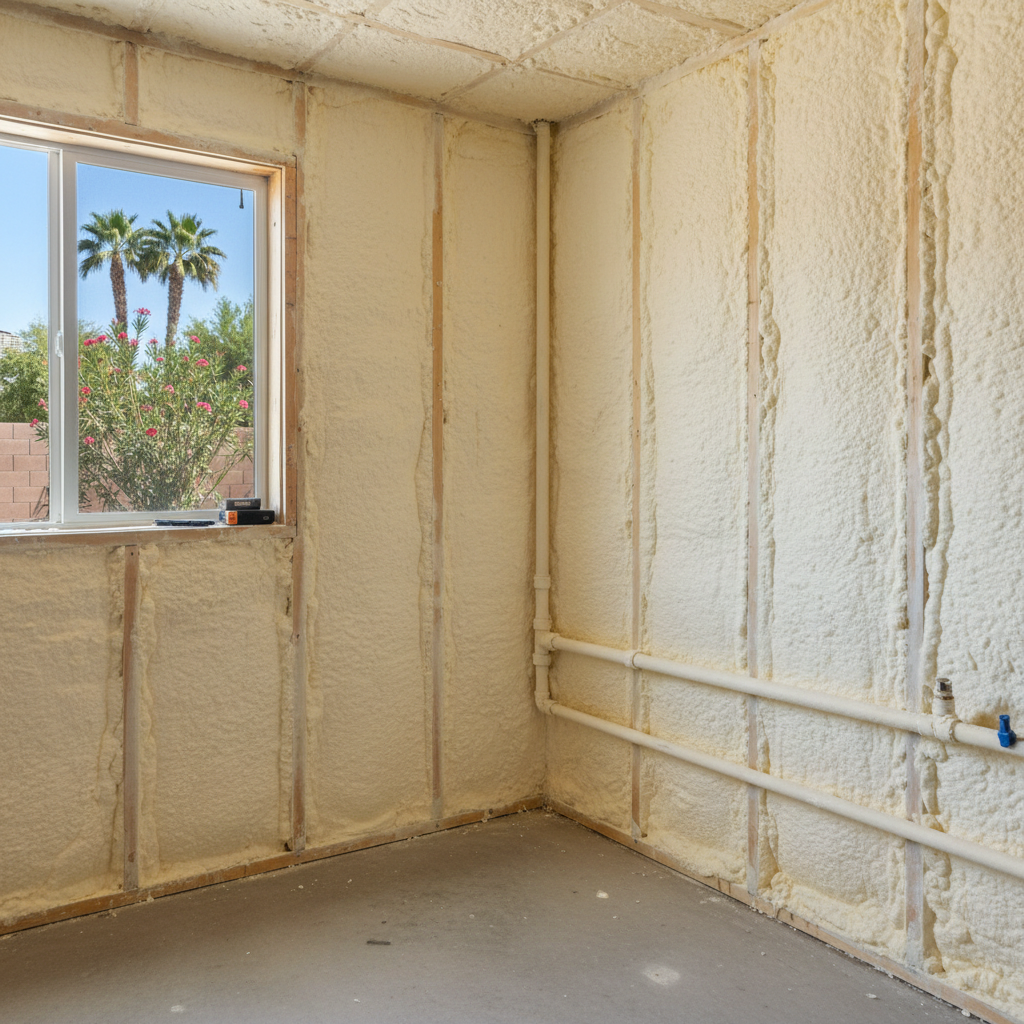
Do you really need to insulate your basement here in Gilbert? That's probably the most common question I get. A lot of folks think since we don't have freezing winters like up north, it's not a big deal. But trust me, it is. Basements are unique spaces, and they've got their own set of challenges and benefits when it comes to energy efficiency and comfort. I've been doing this for a long time, and I've seen firsthand what a difference proper insulation makes. Let's get into some of the most frequent questions I hear from homeowners right here in our community.
1. Do I really need to insulate my basement in Gilbert, AZ?
Absolutely, you do. While we don't get deep freezes, our summers are brutal. Your basement, even if it feels cooler than the upstairs, is still part of your home's thermal envelope. Without proper insulation, heat from the ground (yes, the ground gets hot here!) can transfer into your basement, making your AC work harder. Plus, any conditioned air from upstairs that leaks into an uninsulated basement is wasted energy. It's not just about keeping heat out; it's about maintaining a consistent temperature and preventing moisture issues, which are a big deal with our monsoon humidity.
2. What's the best type of insulation for a Gilbert basement?
Hands down, for most basements, I recommend closed-cell spray foam. Here's why: it's not just an insulator; it's also an air barrier and a vapor barrier. That's three critical functions in one application. In our climate, moisture control is huge. Spray foam seals up all those tiny cracks and gaps where air and humidity can sneak in, especially around the rim joists. Other options like rigid foam boards are good too, but they require careful sealing at every joint to achieve the same air and vapor control. Fiberglass batts? I'd generally steer clear in a basement unless you're putting them against an already sealed and insulated wall, and even then, I'd be cautious about moisture. You don't want mold growing in your basement walls.
3. Where exactly should I insulate in my basement?
You'll want to focus on a few key areas. First, the rim joists. This is where your foundation meets your floor framing, and it's a notorious spot for air leaks and heat transfer. Sealing and insulating this area is crucial. Second, the exterior walls of the basement. Whether you're finishing the basement or not, insulating these walls will help regulate temperature and prevent moisture issues. If you're finishing it, you'll insulate the framed walls. If not, insulating directly against the concrete is still beneficial. Some folks also consider insulating the ceiling, especially if the basement is unconditioned and you want to separate its temperature from the main living space.
4. Will insulating my basement help with humidity and mold?
Definitely. This is one of the biggest benefits, especially here in Gilbert. Our summer humidity, combined with the cooler temperatures of a basement, can create condensation problems. When warm, humid air hits a cool concrete wall, you get moisture. That moisture is a breeding ground for mold and mildew. By insulating the walls and sealing air leaks, especially with something like closed-cell spray foam from Gilbert Spray Foam Insulation, you're creating a barrier that keeps that warm, humid air from contacting the cool surfaces. This drastically reduces condensation and, consequently, the risk of mold growth. It also helps keep your basement smelling fresh, not musty.
5. How does basement insulation affect my home's energy bills?
It can make a significant difference. Your basement, even if it's below grade, is still a major part of your home's thermal envelope. If it's uninsulated, you're essentially losing conditioned air and gaining unwanted heat (or losing heat in the cooler months, though that's less of a concern here). By properly insulating, you're creating a more consistent temperature throughout your entire home. Your HVAC system won't have to work as hard to maintain your desired temperature, especially during those 115-degree days we get. This translates directly to lower energy bills. It's an investment that pays for itself over time.
6. Can I insulate my basement myself, or should I hire a professional?
While some DIY projects are fine, basement insulation, especially with spray foam, is something I strongly recommend leaving to professionals. Spray foam requires specialized equipment, proper safety gear, and a lot of training to apply correctly. If it's not mixed or applied right, you won't get the R-value or the air/vapor barrier benefits, and you could end up with a mess or even health concerns from off-gassing. Even with rigid foam boards, getting a continuous, properly sealed barrier can be tricky. A pro knows how to handle the unique challenges of concrete walls, rim joists, and penetrations. You want it done right the first time to get all the benefits.
7. Will insulating make my basement feel more comfortable?
Absolutely. That's another huge plus. An uninsulated basement can feel clammy, cold, or just generally unpleasant, even if it's cooler than the upstairs. With proper insulation, the temperature will be more stable and consistent. It'll feel less like a dungeon and more like an integral part of your home. If you're planning to finish your basement, this comfort factor is even more critical. You want it to be a usable, enjoyable living space, not just a storage area. Insulating transforms it.
Look, your basement is a valuable part of your home, and treating it right with proper insulation isn't just about saving a few bucks on your energy bill. It's about protecting your home from moisture, making it more comfortable, and increasing its overall value. If you've got more questions or want to talk specifics about your Gilbert home, don't hesitate to reach out. We're here to help.