Don't Let Your Gilbert Basement Insulation Project Go Sideways
Alright, let's talk basements. You'd think insulating a basement would be straightforward, right? You'd be surprised how many folks here in Gilbert, AZ, make some pretty common, and often expensive, mistakes when they're trying to make their lower levels more comfortable or energy-efficient. I've seen it all, and I want to help you avoid the headaches.
Mistake #1: Ignoring Moisture Issues First
This is probably the biggest one. You can put the best insulation in the world down there, but if you've got moisture problems, it's all for nothing. Gilbert might be a desert, but we still deal with water, especially during those monsoon downpours. I've seen basements in newer communities, even those built on our notoriously expansive clay soils, that still get damp. Before you even think about insulation, you need to make sure your basement is dry. That means checking for cracks in the foundation, making sure your gutters are clean and directing water away from the house, and that your grading slopes correctly. If you're seeing efflorescence (that white powdery stuff) on the walls, or you can smell mildew, you've got a moisture issue that needs fixing first. Insulating over moisture just traps it, leading to mold, rot, and ruined insulation. It's like putting a band-aid on a broken leg, isn't it?
Mistake #2: Not Understanding Local Building Codes
Gilbert has specific building codes, and they apply to basement insulation just like any other renovation. I've had homeowners call me after they've already started a DIY project, only to find out they're not up to code. This can mean ripping out perfectly good work and starting over, or worse, failing an inspection if you try to sell your home later. For instance, fire blocking is a big deal in basements, especially around floor joists and wall cavities. You can't just slap up some drywall and call it a day. If you're not sure, don't guess. Check with the Town of Gilbert's building department or hire a contractor who knows the local rules inside and out. It'll save you a ton of grief.
Mistake #3: Choosing the Wrong Type of Insulation for Basements
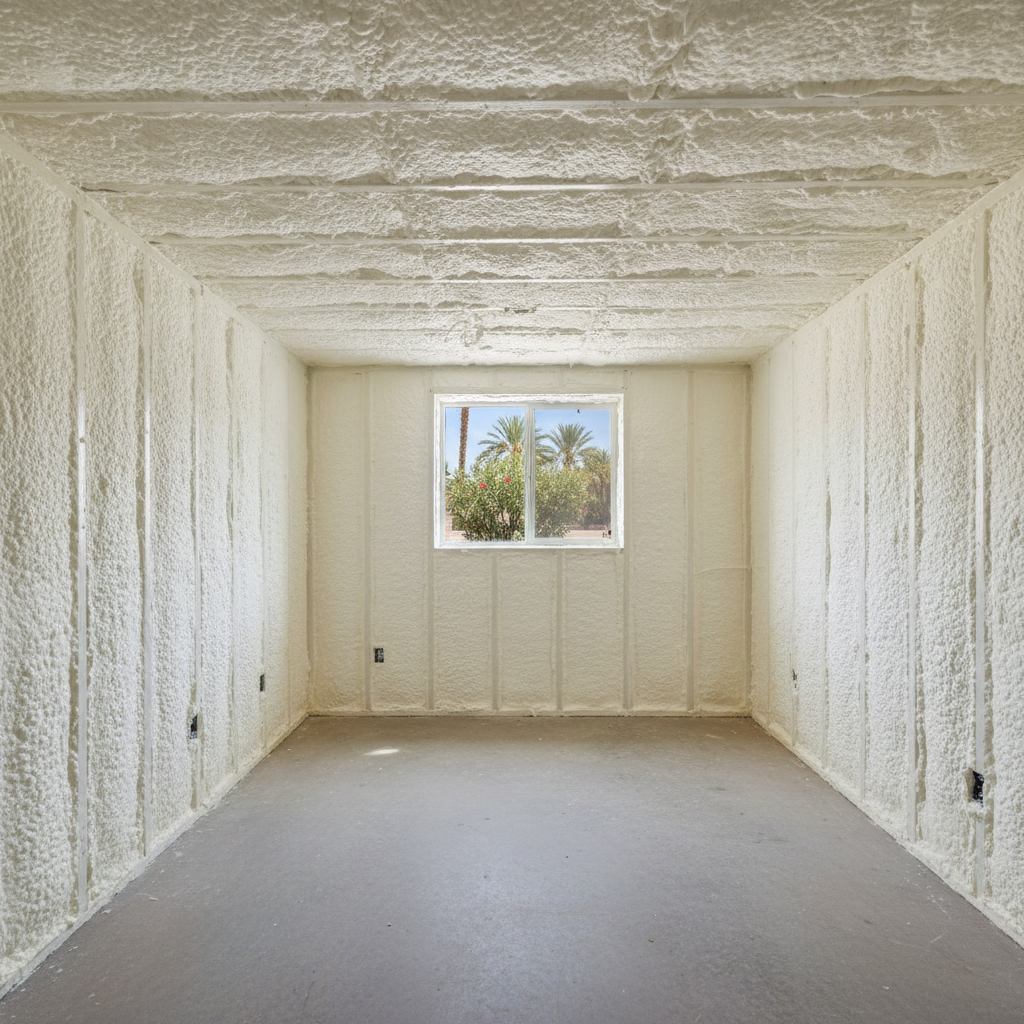
There are different types of insulation, and what works great in an attic might be a terrible choice for a basement. I've seen people try to use standard fiberglass batts directly against concrete walls without a proper vapor barrier. That's a recipe for disaster. Concrete is porous, and even if your basement seems dry, moisture can still wick through. Fiberglass can absorb that moisture, lose its R-value, and become a breeding ground for mold. For basements, you generally want something that can handle moisture, like rigid foam boards or spray foam. Closed-cell spray foam, for example, acts as both an insulator and a vapor barrier, which is a huge advantage in a basement environment. It seals up all those little gaps and cracks you wouldn't even think about, creating a really tight envelope.
Mistake #4: Skimping on Professional Expertise
I get it, everyone wants to save a buck. But basement insulation isn't always the best place to cut corners. A lot of homeowners try to DIY their basement insulation, and while some projects are perfect for a weekend warrior, this one can get tricky. You're dealing with structural elements, potential moisture, and specific material requirements. A professional, like us at Gilbert Spray Foam Insulation, knows how to properly assess your basement, identify potential issues, recommend the right materials, and install them correctly to meet code and actually get you the results you're looking for. We've got the specialized equipment and the know-how to get into those tight spots and ensure a consistent application. Trying to do it yourself without the right experience can lead to an ineffective job, wasted materials, and ultimately, more expense down the road when you have to hire someone to fix it.
Mistake #5: Not Insulating the Rim Joists
This is a small area that makes a huge difference, and it's often overlooked. The rim joist is that band of wood around the perimeter of your house where your foundation meets your first floor framing. It's a major source of air leakage and heat loss in many homes, including those with basements. It's also a spot where pests can sneak in. Sealing and insulating these areas properly is critical for overall basement comfort and energy efficiency. Spray foam is fantastic for rim joists because it expands to fill all the gaps and creates an airtight seal. If you're getting your basement insulated, make sure the contractor includes the rim joists in their plan. If they don't bring it up, that's a red flag.
So, there you have it. Don't rush into your basement insulation project without doing your homework. Get the moisture under control, know your codes, pick the right materials, and don't be afraid to call in the pros. Your comfortable, energy-efficient basement will thank you for it.